
This plant is one of the most beloved culinary herbs in the world—and for good reason. With its bold aroma, earthy flavor, and impressive health benefits, this plant has the power to transform simple meals into unforgettable dishes. Whether you’re an experienced home cook or just beginning your culinary journey, learning how to use it properly can elevate your cooking in effortless and delicious ways.
This simple guide to aromatic cooking will walk you through everything you need to know about this plant—from its history and flavor profile to cooking techniques, recipes, and storage tips—so you can confidently use this fragrant herb in your kitchen.
Table of Contents
What Is Rosemary?
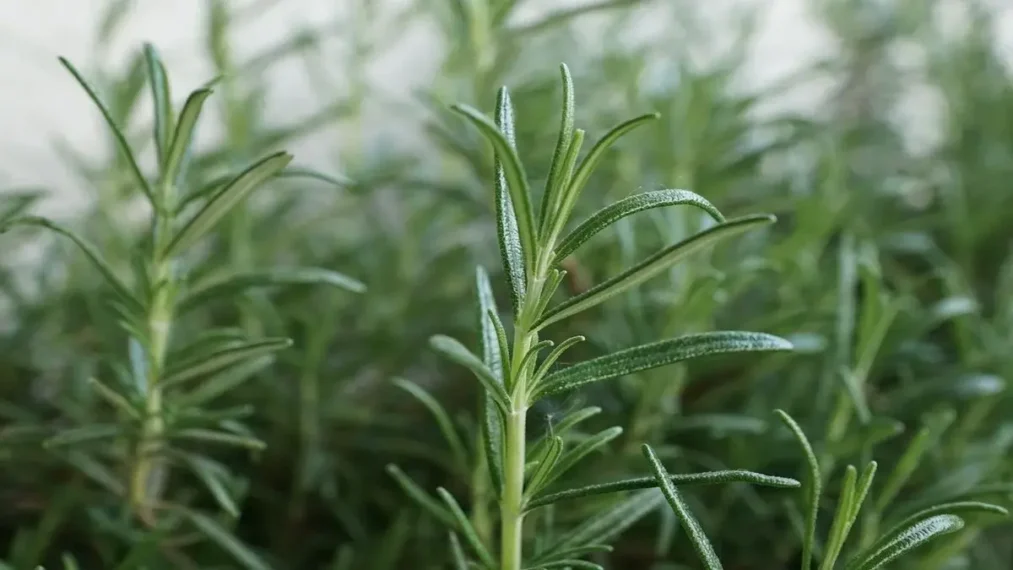
This herbal infusion (Salvia rosmarinus, formerly Rosmarinus officinalis) is a fragrant, evergreen herb with woody stems, native to the sun-soaked Mediterranean region. It grows as a compact shrub with needle-shaped leaves and a bold, pine-like fragrance.
For centuries, rosemary has been used in:
- Cooking
- Traditional medicine
- Aromatherapy
- Cultural and spiritual practices
Why Rosemary Is Essential in Aromatic Cooking?
Aromatic cooking focuses on building flavor through scent and natural ingredients rather than heavy sauces or excessive seasoning. this plant is a cornerstone of this approach.
What Makes It Special?
- Strong aroma that infuses food deeply
- Heat-resistant compared to softer herbs
- Pairs well with fats like olive oil and butter
- Adds complexity without overpowering
A small amount of this plant goes a long way, making it ideal for simple, elegant cooking.
Flavor Profile of Rosemary
Herbal extract has a distinct taste that can be described as:
- Piney
- Earthy
- Woody
- Slightly peppery
- Warm and resinous
Because of its intensity, aromatic herb is best used thoughtfully to enhance—not dominate—a dish.
Fresh vs. Dried Rosemary: Which Is Better?
Fresh Rosemary
Best for:
- Roasting
- Grilling
- Infused oils
- Finishing dishes
Flavor: Bright, bold, aromatic
Dried Rosemary
Best for:
- Long-cooked dishes
- Soups and stews
- Marinades
Flavor: More concentrated, slightly bitter if overused
👉 Tip: Use 1 teaspoon dried rosemary for every 1 tablespoon fresh rosemary.
Health Benefits of Rosemary
This plant is more than a flavor booster—it’s also packed with nutrients and antioxidants.
Key Health Benefits
- Rich in antioxidants.
- Anti-inflammatory properties.
- Supports digestion.
- May improve memory and focus.
- Supports immune health
it contains compounds like rosmarinic acid and carnosic acid, known for their protective effects on the body.
Rosemary and Digestive Health
Traditionally, it has been used to ease:
- Bloating
- Indigestion
- Gas
Using it in cooking can help stimulate digestion, especially in rich or fatty meals.
Rosemary and Brain Health
For centuries, this plant has been linked to enhancing memory and sharpening the mind. Even its aroma has been shown to support concentration and alertness.
This makes it a powerful herb for both the body and mind.
Top Ways to Cook with Rosemary
1. Roasting
it thrives in high-heat cooking like roasting.
Best with:
- Potatoes
- Root vegetables
- Chicken
- Lamb
Add it early so its aroma infuses deeply.
2. Grilling
aromatic herb pairs beautifully with grilled foods.
Tip: Place the whole sprigs on the grill to add a gentle, smoky herb aroma to your food.
3. Sautéing
Add aromatic herb to oil at the beginning of cooking to release its essential oils.
Be careful not to burn it—burnt aromatic herb tastes bitter.
4. Baking
this plant adds a savory twist to:
- Bread
- Focaccia
- Crackers
It pairs beautifully with olive oil and a sprinkle of sea salt.
How to Use Rosemary in Everyday Cooking?
Rosemary with Vegetables
Enhances:
- Potatoes
- Carrots
- Squash
- Mushrooms
Toss vegetables with olive oil, herbal infusion, salt, and pepper before cooking.
Put it with Meat and Poultry
complements:
- Chicken
- Lamb
- Beef
- Pork
Add it to marinades or rubs to create a rich, aromatic flavor.
Rosemary with Fish and Seafood
Use it sparingly with fish. It works best with:
- Salmon.
- Tuna.
- Swordfish.
Pair with lemon and olive oil for balance.
Rosemary in Soups and Stews
Add whole sprigs to soups and remove before serving to avoid tough texture.
Rosemary-Infused Oil: A Simple Aromatic Staple
How to Make Rosemary-Infused Oil?
Ingredients:
- Extra virgin olive oil.
- Fully dried rosemary.
Instructions:
- Gently warm olive oil.
- Add dried rosemary.
- Steep for 10–15 minutes.
- Cool and strain.
- Store in a dark bottle.
Use for drizzling, dipping, or cooking.
Safety Tip for Infused Oils
Always use dried plant to prevent moisture-related spoilage.
Rosemary in Mediterranean Cuisine
It’s a signature herb in Mediterranean cooking, especially in:
- Italian roasted dishes.
- Greek meat recipes.
- French herb blends.
- Spanish vegetable dishes.
Mediterranean diets rich in aromatic herbs are linked to longevity and heart health.
Rosemary and Olive Oil: A Perfect Match
Its essential oils are fat-soluble, allowing them to mix beautifully with olive oil. This allows its aroma and flavor to spread evenly throughout a dish.
This combination is the foundation of aromatic cooking.
Avoid These Rosemary Mishaps in the Kitchen
– Using too much.
– Not removing woody stems.
– Burning it at high heat.
– Using low-quality dried herb.
A little restraint goes a long way.
Best Ways to Store Rosemary
Fresh Herb
- Keep fresh by wrapping in a damp paper towel.
- Store in refrigerator.
- Use within 1–2 weeks.
Dried Rosemary
- Store in airtight container.
- Keep in a dark, cool place to preserve quality.
- Use within 6–12 months.
Growing Rosemary at Home
It’s easy to grow and thrives in:
- Sunny locations.
- Well-drained soil.
- Minimal watering.
Fresh aromatic herb at your fingertips is a game-changer for aromatic cooking.
Easy and Delicious Rosemary Recipes
Roasted Potatoes
Toss potatoes with olive oil, chopped plant, garlic, and salt. Roast until golden.
Flatbread
Brush dough with olive oil, sprinkle with it and sea salt, and bake.
Lemon Chicken
Marinate chicken with this plant, lemon zest, olive oil, and garlic before roasting.
Why Aromatic Cooking with Rosemary Matters?
Using aromatic herb in your cooking:
- Enhances flavor naturally.
- Reduces need for excess salt.
- Encourages mindful eating.
- Elevates simple ingredients.
Aromatic cooking is about letting ingredients shine—and it does exactly that.
Final Thoughts: Mastering Aromatic Cooking
This plant proves that powerful flavor doesn’t require complicated techniques or long ingredient lists. With its bold aroma, health benefits, and versatility, aromatic herb is an essential herb for anyone who loves simple, flavorful cooking.
By understanding how and when to use it, you unlock a timeless culinary secret—one that brings warmth, aroma, and depth to every dish.
So the next time you cook, reach for it, breathe in its fragrance, and let aromatic cooking do the rest.
and for more ideas consult : https://familytricks.org